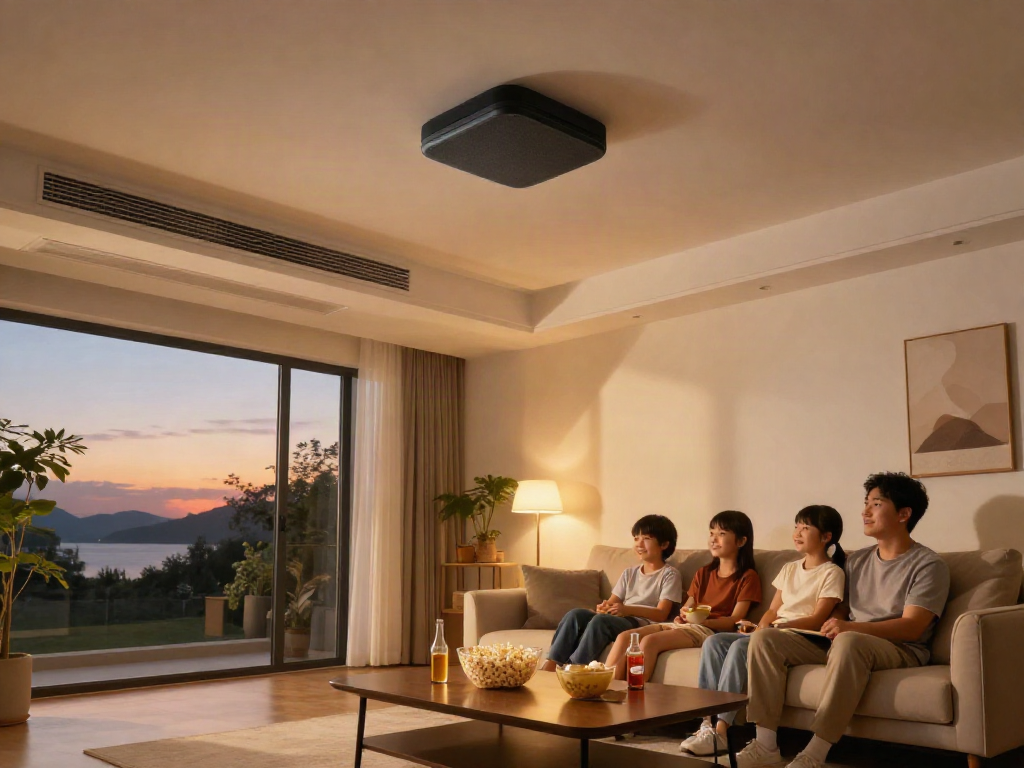
Understanding Ceiling Speakers: Benefits and Features
As modern audio technology evolves, many homeowners are exploring innovative ways to enhance their listening experience. One popular solution is the ceiling speaker, a discreet audio option that can seamlessly blend into your environment while providing outstanding sound quality. When exploring options, اسپیکر سقفی offers comprehensive insights into the various models available, making it easier for you to choose the ideal setup for your home.
What are Ceiling Speakers and How Do They Work?
Ceiling speakers are installed directly into the ceiling, allowing them to deliver sound without taking up floor or wall space. These speakers typically feature a round or rectangular design, and they can be either passive or active. Passive ceiling speakers require an external amplifier, while active models have a built-in amplifier. Understanding the technical working of these speakers can help you appreciate their functionality.
When sound travels through a ceiling speaker, it disperses evenly throughout the room. This omnidirectional sound enables a surround experience, making it ideal for home theaters, audio systems, and multi-room setups. The key to the success of ceiling speakers lies in their installation — properly placed units can significantly enhance sound quality and distribute sound evenly across the space.
Key Features to Look for in Quality Ceiling Speakers
When selecting ceiling speakers, it’s crucial to consider several key features that impact performance:
- Sound Quality: Look for speakers with wide frequency response and good sensitivity ratings to ensure a balanced sound.
- Durability: Choose models that are built with high-quality materials to withstand long-term use.
- Design: Some speakers come with a grille that can be painted to match your ceiling, providing a more aesthetic finish.
- Power Handling: Check the power handling capacity to ensure they can handle your audio system's output without distortion.
- Installation Ease: Opt for models that come with detailed installation instructions or pre-installed mounting brackets.
Advantages of Installing Ceiling Speakers in Your Home
Integrating ceiling speakers into your home audio system offers numerous advantages:
- Space Saving: They take up no floor space, making them perfect for smaller rooms or homeowners who prefer a minimalist look.
- Increased Area Coverage: Their installation allows for even sound distribution, ensuring that audio is experienced from all angles.
- Versatility: Ceiling speakers work well in various settings—be it for watching movies, listening to music, or even hosting parties.
- Increased Property Value: A well-designed sound system can enhance the appeal of a home, making it more attractive to potential buyers.
Choosing the Right Ceiling Speaker for Your Needs
Identifying Your Listening Preferences and Requirements
Before purchasing ceiling speakers, it’s important to assess your specific listening needs. Are you an audiophile who demands high-fidelity sound for music playback, or do you primarily need background audio for casual listening? Understanding your preferences will guide you to select the right model that aligns with your expectations.
Comparing Different Types of Ceiling Speakers
There are generally two types of ceiling speakers to consider:
- Full-Range Speakers: These are designed to cover a wide frequency range, making them suitable for both music and dialogue.
- Subwoofers: Although not typically ceiling-mounted, they complement ceiling speakers by providing low-frequency sounds in a multi-channel system, enhancing audio depth.
When choosing, consider factors like sound output, size, and how they integrate with your existing audio equipment.
Understanding Impedance and Power Ratings
One key technical aspect to consider is impedance, typically measured in ohms. Most ceiling speakers range from 4 to 8 ohms, with 8 ohms being more common in home audio systems. Lower impedance speakers draw more power from the amplifier, which can lead to distortion if the amplifier isn’t capable. Always match the impedance of your speakers to your amplifier to ensure optimal performance.
Common Installation Mistakes to Avoid
Incorrect Placement: How Location Affects Sound Quality
One of the most significant factors affecting sound quality is placement. Proper positioning can make a substantial difference in audio performance. Avoid placing speakers too close to walls or corners, as this can cause sound reflections and muddiness. Instead, aim for the speakers to be spaced evenly across the room, preferably at ear level when seated.
Overlooking Wiring Considerations When Installing
Wiring can often be an overlooked aspect of ceiling speaker installation. Ensure that you use high-quality speaker wire to prevent signal loss and interference. Additionally, consider using in-wall rated cables to comply with safety regulations, especially in areas with insulation.
Neglecting to Use Quality Installation Materials
Using subpar materials can lead to poor installation that affects not only sound quality but also the longevity of your speakers. Invest in quality mounting brackets and tools to ensure a secure and stable installation.
Upgrading Your Sound System: When to Consider Ceiling Speakers
Recognizing Signs Your Current System is Lacking
If you find yourself frequently turning up the volume to compensate for poor sound quality, it might be time to evaluate your system. Other indicators include uneven sound distribution, an inability to hear dialogue clearly in movies, or a struggle to fill the room with sound. Ceiling speakers can provide a solution by delivering better audio performance across your space.
Benefits of Modern Ceiling Speaker Technology
Today’s ceiling speakers come with advanced features such as wireless connectivity, smart technology integration, and enhanced sound processing capabilities. Wireless models eliminate the need for complicated wiring, making installation easier and cleaner, while smart technology integration allows control from your smartphone or voice-activated devices.
Future-Proofing Your Audio Setup
Investing in ceiling speakers can be a strategic move to future-proof your audio setup. With technology rapidly advancing, ensuring your speakers are compatible with the latest audio formats and wireless standards is essential. This way, you can enjoy the latest enhancements without needing a complete system overhaul.
Expert Tips for Maintaining Your Ceiling Speakers
Regular Cleaning and Maintenance Practices
To maintain peak performance, regular cleaning is essential. Dust and debris can accumulate around the speaker grilles, affecting sound quality. Gently wipe down the surfaces with a soft cloth and avoid using any harsh chemicals that could damage the finish.
Monitoring Performance and Sound Quality Indicators
Be attentive to changes in sound quality. If you notice distortion, irregularities, or decreased volume, it may indicate a problem. Regularly testing your speakers and monitoring their performance can help identify issues before they escalate.
When to Seek Professional Help for Issues
If you encounter persistent problems or installation difficulties, don’t hesitate to contact a professional. Issues like wiring complications or amplifier mismatches can often require expertise to resolve effectively.
How to Maximize the Lifespan of Your Ceiling Speakers
To ensure your ceiling speakers last, avoid overdriving them by maintaining appropriate volume levels. Regular maintenance checks and cleaning can also contribute to longevity. Additionally, positioning speakers in a way that minimizes exposure to moisture and extreme temperatures can help preserve their functionality.
Future Trends in Ceiling Speaker Technology
The future of ceiling speaker technology is bright, with trends leaning towards more integrated smart home solutions and enhanced sound technologies. Expect advancements in sound dispersion technologies, further miniaturization of speakers, and improved wireless capabilities that offer greater flexibility for audio experiences.
Frequently Asked Questions about Ceiling Speakers
What are the advantages of ceiling speakers over traditional speakers?
Ceiling speakers provide a discreet way to enjoy high-quality audio without cluttering floor or wall space. They also allow for even sound distribution throughout a room, making them suitable for various audio experiences.
Can I install ceiling speakers myself?
Yes, many homeowners choose to install ceiling speakers as a DIY project. However, it’s essential to have some basic knowledge of audio systems and installation techniques. If unsure, consider hiring a professional to ensure quality installation.
How do I determine the right size ceiling speaker for my room?
The size of the ceiling speaker should correlate with the size of the room. Generally, larger rooms benefit from larger speakers or a combination of speakers for optimal sound. Consult guidelines from manufacturers to match speaker size to room dimensions.
What should I consider when choosing a subwoofer to complement my ceiling speakers?
Consider the power rating, impedance, and frequency response range of the subwoofer when selecting a complement to your ceiling speakers. It’s important to ensure compatibility for seamless integration into your audio system.
Are there wireless options for ceiling speakers?
Yes, many brands now offer wireless ceiling speakers that eliminate the need for complex wiring, making installation simpler and more versatile. These speakers typically connect via Wi-Fi or Bluetooth and can often be controlled through various smart devices.