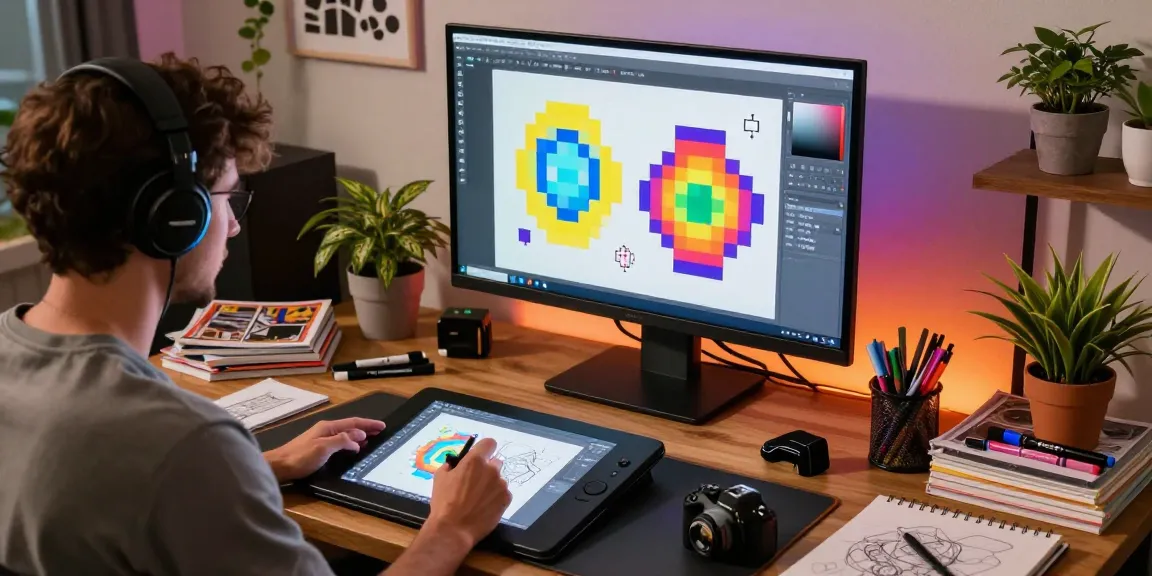
The Evolution of Pixel Art Displays: A Brief History
Pixel art has deep roots in digital media, originating during the early days of computer graphics. As technology advanced, the allure of pixel art only grew, evolving from simple graphics to a beloved style that permeates various sectors today. In this article, we will explore the fascinating history of pixel art displays, their current market relevance, and future predictions for 2026 and beyond.
Origins of Pixel Art in Digital Media
Pixel art traces back to the nascent days of gaming in the late 1970s and early 1980s, where technical limitations necessitated simplistic graphics that utilized individual pixels to create recognizable forms. Games like Pong and Space Invaders showcased how artists could create immersive experiences through minimalistic design. These graphics were not just constraints; they sparked creativity, giving birth to iconic characters and landscapes that are still celebrated today. As computers became more powerful, pixel art began to flourish, paving the way for a unique artistic expression.
How Technology Transformed Pixel Art Displays
Over the decades, advancements in display technology have revolutionized pixel art. The transition from CRT monitors to LCD and OLED screens has allowed for higher resolutions and better color reproduction. This means that pixel art displays can now showcase intricate details and vibrant colors, enhancing the visual experience. Additionally, software tools have evolved, enabling artists to create complex images with ease, leading to a renaissance of pixel art in various digital platforms.
Impact on Contemporary Art Trends
Today, pixel art has transcended gaming and is embraced in contemporary art and design. It symbolizes nostalgia and simplicity, resonating with audiences who appreciate retro aesthetics. In galleries and art shows worldwide, pixel art displays challenge traditional notions of artistry and craftsmanship. This movement showcases how pixel-based expressions can be just as profound and impactful as any other form of fine art, bridging the gap between technology and creativity.
Understanding the Market for Pixel Art Displays in 2026
As we look ahead to 2026, the market for pixel art display is poised for significant growth. The fusion of technology and art has attracted diverse demographics, leveraging the popularity of both retro gaming and modern art trends. Understanding this market requires insights into current trends, key competitors, and consumer preferences.
Current Trends and User Demographics
The resurgence of retro gaming combined with a growing appreciation for digital art has led to a diverse demographic of pixel art enthusiasts. From younger generations who engage with vintage games to older fans nostalgic for their childhood experiences, the audience for pixel art displays encompasses a wide age range. Furthermore, the rise of platforms like social media has allowed pixel art to proliferate, fostering communities that share and promote this art form.
Key Competitors in the Pixel Art Display Space
Numerous brands are capitalizing on the pixel art trend, each offering unique features and functionalities. Companies such as Divoom, Adafruit, and Gamer’s Tech have developed innovative displays tailored specifically for pixel art. These products often include customizable features, interactive elements, and connectivity options, catering to creative users seeking personalized experiences.
Consumer Preferences and Pain Points
Consumers are increasingly drawn to pixel art displays that are not only visually appealing but also functional. Preferences range from high-resolution screens with vibrant color depths to versatile connectivity options like Bluetooth and Wi-Fi. However, pain points such as high costs, limited artistic software, and lack of integration with modern technology can deter potential buyers. Addressing these issues is crucial for brands looking to thrive in the competitive landscape.
Technical Specifications: What to Look For
Investing in a pixel art display entails understanding the various technical specifications that can significantly impact performance. Key features to consider include resolution, color depth, and design compatibility.
Resolution and Color Depth for Pixel Art Displays
Resolution plays a pivotal role in the overall quality of a pixel art display. Higher resolutions allow for sharper images and finer details, breathing life into intricate pixel art designs. Color depth, measured in bits, determines the range of colors a display can show. For pixel art, a display with at least 16-bit color depth is ideal, as it can reproduce rich and vibrant hues that enhance the visual experience.
Connectivity Options and Compatibility
Connectivity is another critical factor to consider. A pixel art display should offer multiple connection options, from USB and HDMI to Wi-Fi and Bluetooth, for seamless integration with various devices. Compatibility with popular design software and gaming platforms also ensures that users can easily create and enjoy their art without technical hurdles.
Design Considerations for Effective Display
Design matters immensely in making a pixel art display effective. Factors such as screen size, aspect ratio, and portability influence user experience. Displays should strike a balance between size and usability, ensuring they can fit into any setting, whether as a focal point in a gallery or a casual setup in a gaming room.
Practical Uses of Pixel Art Displays in Various Industries
The versatility of pixel art displays has seen them adopted across various sectors, from creative industries to corporate branding. Their unique aesthetic and functionality have opened new avenues for expression and communication.
How Creatives Utilize Pixel Art in Their Work
Artists and designers have harnessed pixel art displays to create visually striking works that engage viewers. These displays can serve as canvases for unique animations and interactive exhibits, allowing creatives to showcase their work in innovative ways. Furthermore, pixel art is often employed in branding strategies, utilizing its nostalgic appeal to connect with audiences on a deeper level.
Pixel Art Displays in Gaming and Entertainment
In the gaming industry, pixel art displays have made a significant resurgence, with retro-style games gaining popularity. Developers utilize these displays to create immersive worlds that resonate with users' nostalgia while offering addictive gameplay. Beyond gaming, pixel art finds a place in entertainment, from art installations at conventions to interactive experiences in theaters, enhancing audience engagement.
Corporate Applications and Branding Opportunities
Corporations are increasingly recognizing the branding potential of pixel art displays. By integrating this style into their advertising campaigns and promotional materials, companies can capture the attention of younger audiences who appreciate playful aesthetics. Moreover, pixel art can foster a sense of community among consumers, enhancing brand loyalty through shared cultural experiences.
The Future of Pixel Art Displays: Predictions for 2026 and Beyond
As we advance into 2026, the pixel art display market is expected to undergo transformative changes driven by technological innovations and evolving consumer needs. The future promises exciting developments that will further enhance how pixel art is created and enjoyed.
Emerging Technologies Shaping Pixel Art
Emerging technologies such as augmented reality (AR) and virtual reality (VR) are set to revolutionize pixel art displays. These platforms will enable users to experience pixel art in immersive environments, creating interactive experiences that blend the digital and physical realms. Moreover, advancements in AI will assist artists in generating complex pixel art, further democratizing the creation process.
Market Growth Predictions and Opportunities
Market analysts predict robust growth in the pixel art display sector, with an increasing number of consumers seeking unique, customizable art experiences. The convergence of art, technology, and gaming opens myriad opportunities for innovative products that cater to diverse preferences, making this a space to watch closely in the coming years.
Innovative Use Cases and Artistic Collaborations
Collaboration among artists and brands is poised to yield exciting new use cases for pixel art displays. From charity projects to live art events, creative partnerships will harness pixel art's nostalgic charm while appealing to modern aesthetics. This collaborative spirit not only fosters creativity but also enriches the pixel art community as a whole.
What are the benefits of using a pixel art display?
Pixel art displays offer unique benefits, including vibrant visuals, potential for interactivity, and a nostalgic aesthetic that resonates with various audiences. They can elevate both artistic expression and entertainment experiences while fostering community engagement.
How can artists best utilize pixel art displays?
Artists can maximize their impact by leveraging pixel art displays as platforms for interactive installations and art showcases. Integrating technology into their work allows for dynamic presentations that captivate audiences and invite participation.
What are the technical requirements for effective pixel art displays?
Effective pixel art displays require high resolution and color depth, robust connectivity options, and thoughtful design considerations to ensure they meet the needs of artists and audiences alike.
Are pixel art displays suitable for gaming?
Absolutely. Pixel art displays are ideal for gaming, particularly for retro-style games where clarity and nostalgia are key elements of the gaming experience.
What trends are emerging in pixel art styles?
Emerging trends in pixel art include a blend of retro and contemporary styles, often incorporating modern design techniques. Characters and environments are becoming more detailed, while color palettes are expanding to include gradients and new hues, creating a fresh take on a classic art form.