
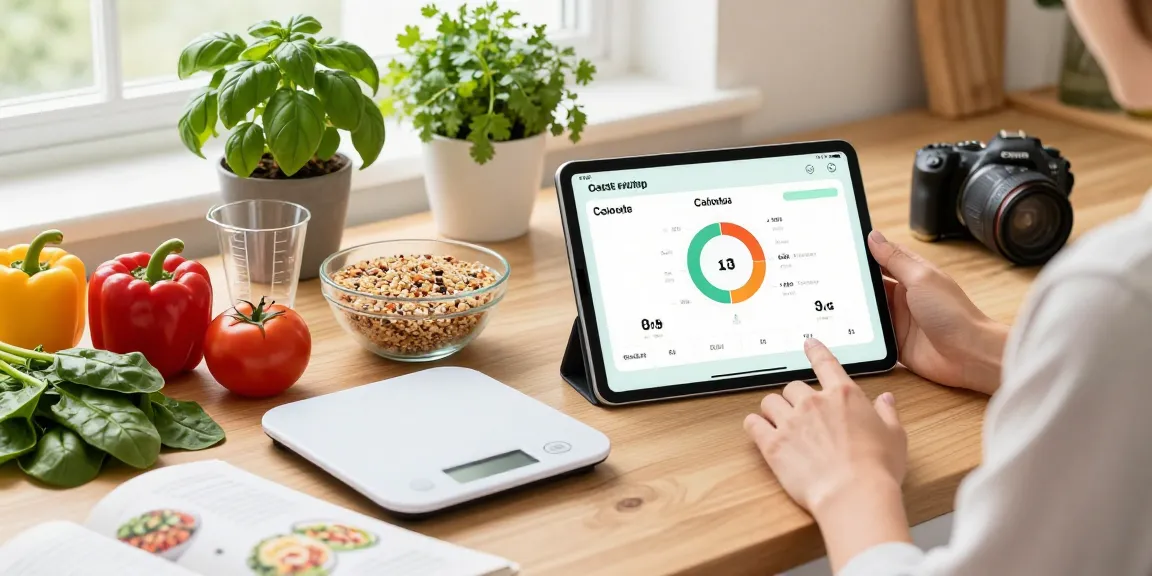
Understanding Food Tracking Apps
Food tracking apps have become an essential tool for individuals seeking to monitor their dietary habits and improve their nutritional intake. With technology evolving rapidly, these apps are no longer just basic calorie counters; they offer a range of features designed to cater to diverse dietary needs and preferences. When exploring options, best food tracking app provides comprehensive insights on how these tools can optimize your health journey.
What is a Food Tracking App?
A food tracking app is a digital tool that enables users to log their meals, track hydration, and analyze their dietary habits. These applications typically contain large databases of nutritional information, allowing users to add foods and beverages easily. Some apps even include barcode scanners to simplify the tracking process. Users can gain insights into their calorie intake, macronutrient ratios, and overall dietary patterns through user-friendly interfaces.
How Food Tracking Apps Work
The functionality of food tracking apps largely revolves around two core components: meal logging and data analysis. Users can input their meals in several ways—manually, by scanning barcodes, or even by taking photos of their food. Once logged, the app computes nutritional values based on its database, providing feedback on calorie intake, macronutrient distribution, and more. Many apps also offer features like reminders and meal planning tools to enhance user engagement and adherence to dietary goals.
Benefits of Using a Food Tracking App
- Accountability: Tracking food intake encourages users to take responsibility for their eating habits.
- Awareness: Users gain a deeper understanding of what they consume and how it affects their bodies.
- Goal Setting: Many apps allow users to set specific health goals, whether for weight loss, muscle gain, or improved health.
- Customization: With diverse dietary preferences (vegan, keto, paleo), these apps offer customizable features to meet individual needs.
- Community Support: Many apps include social features or forums to connect users with like-minded individuals for motivation and support.
Ranking the Best Food Tracking Apps of 2026
As the landscape of food tracking apps evolves, it’s essential to stay updated with the latest offerings and their respective features. In 2026, several apps have emerged as leaders in the industry, providing unique functionalities tailored to a variety of dietary goals.
Top Features of the Best Food Tracking App
When considering the best food tracking app, certain features stand out:
- Ease of Use: Intuitive design and straightforward navigation are critical for long-term user engagement.
- Nutritional Database Quality: A large, accurate database with verified entries ensures precise tracking.
- Integration Capabilities: Top apps can sync with wearables and other health apps for comprehensive health management.
- Report Generation: The ability to visualize progress through charts and graphs aids in understanding dietary patterns.
- Personalization: Recommendations based on user input enhance the app’s usability and effectiveness.
Comparative Analysis of Leading Apps
In our independent testing, we’ve ranked several popular food tracking apps for 2026:
- 1. Welling: Offers a unique AI photo and chat logging feature, making it user-friendly for tech enthusiasts.
- 2. Cronometer: Focuses on micronutrient tracking, making it ideal for users seeking in-depth nutritional insights.
- 3. MacroFactor: An expenditure-adaptive macro coach that provides personalized feedback based on individual data.
- 4. YAZIO: Combines meal planning with calorie counting, catering to users who need structured dietary schedules.
- 5. Lifesum: A visually appealing app that emphasizes a balanced approach to nutrition with diet plan options.
- 6. Carb Manager: Tailored for those on low-carb or ketogenic diets, offering specialized tracking features.
User Reviews and Experiences
User feedback plays a significant role in determining the effectiveness and satisfaction of food tracking apps. Many users highlight the importance of having a comprehensive food database, ease of meal logging, and responsive customer support. Users frequently praise Welling for its intuitive design and engaging features but often mention the need for more international food options. In contrast, Cronometer garners acclaim for its micronutrient tracking but can be deemed complex for casual users. With a mix of personal experiences, potential users can weigh the pros and cons of each application effectively.
Choosing the Right Food Tracking App for Your Goals
Selecting a food tracking app is a personal decision influenced by individual health objectives, lifestyle, and preferences. Knowing what to look for simplifies this process significantly.
Defining Your Nutritional Objectives
Your first step is to establish your nutritional goals. Whether you aim to lose weight, gain muscle, or maintain a healthy lifestyle, identifying these goals will guide your app selection. Some apps focus on weight loss, while others are better suited for tracking fitness-related metrics or meal planning.
Key Questions to Consider
When evaluating potential apps, ask yourself the following questions:
- Does the app cater to my specific diet (e.g., vegan, keto)?
- How large and reliable is the food database?
- Are there additional features like meal planning or recipe suggestions?
- How does the app integrate with other health apps or devices?
- What is the overall user experience and customer support available?
Personalization and User Experience
The best food tracking app should adapt to your preferences. Look for applications that allow customization of goals, dietary preferences, and user interface options. A visually appealing and straightforward app can make daily logging and engagement much more manageable and enjoyable.
Addressing Common Misconceptions About Food Tracking
Despite their benefits, several misconceptions about food tracking apps persist, often deterring potential users from utilizing these tools effectively.
Are All Food Databases Created Equal?
Not all food databases are the same. Many users mistakenly believe that larger databases automatically equate to better tracking accuracy. However, the quality and verification of the entries significantly impact the effectiveness of a food tracking app. Verified entries ensure that users receive accurate nutritional data, which is crucial for health monitoring and goal achievement.
The Accuracy of AI in Food Tracking Apps
AI-driven food tracking features, such as photo logging, have gained popularity, but accuracy can vary. Research has shown that while these technologies offer convenience, they are subject to error rates. Users should be aware that not all meals logged by AI may accurately reflect true calorie counts or macronutrient values.
Do Food Tracking Apps Really Aid Weight Loss?
Yes, food tracking apps can support weight loss when used effectively. Studies suggest that individuals who track their food intake are more likely to succeed in reaching their dietary goals. However, it is essential to choose an app that aligns with personal preferences and provides the necessary tools to maintain motivation and accountability.
Future Trends in Food Tracking and Nutrition
The coming years promise exciting advancements in food tracking technologies. With the increased focus on personalized nutrition and health analytics, users can anticipate enhanced features and functionalities.
Emerging Technologies in Food Tracking Apps
As technology continues to evolve, look for the following trends:
- AI Personalization: Enhanced artificial intelligence that offers tailored recommendations based on real-time data.
- Wearable Integration: Cross-compatibility with wearables to provide a comprehensive health overview.
- Blockchain for Food Safety: Increased transparency in food sourcing and ingredient quality tracking.
- Augmented Reality: Future apps may integrate AR for a more immersive food logging experience.
Health and Wellness Industry Predictions for 2026
The health and wellness industry will likely see significant shifts as more individuals prioritize their nutritional well-being. Expect to see an increase in personalized health services and a focus on preventative care through nutrition. Food tracking apps that align with these trends will be essential tools for consumers.
Integrating Meal Planning with Tracking Apps
Future developments may integrate meal planning features more seamlessly into tracking apps. This integration can simplify the process of maintaining a balanced diet while effectively tracking intake, offering users a holistic solution to managing their nutritional needs.
What features make the best food tracking app?
The best food tracking apps combine an extensive food database, user-friendly interfaces, customizable features, and tools for meal planning and tracking nutritional intake accurately.
How do I choose a food tracking app?
To choose a food tracking app, define your specific dietary goals, evaluate the features of each app, and consider user reviews regarding usability and effectiveness.
Can food tracking apps help with weight loss?
Yes, food tracking apps can assist in weight loss by promoting accountability, raising awareness of dietary habits, and encouraging healthy choices.
Are calorie counts in apps always accurate?
No, calorie counts may vary due to the accuracy of the food database and methods used for logging, especially in AI-driven applications.
What should I look for in a food database?
Look for databases that prioritize verified entries, offering accuracy over sheer volume, ensuring users receive reliable nutritional information.