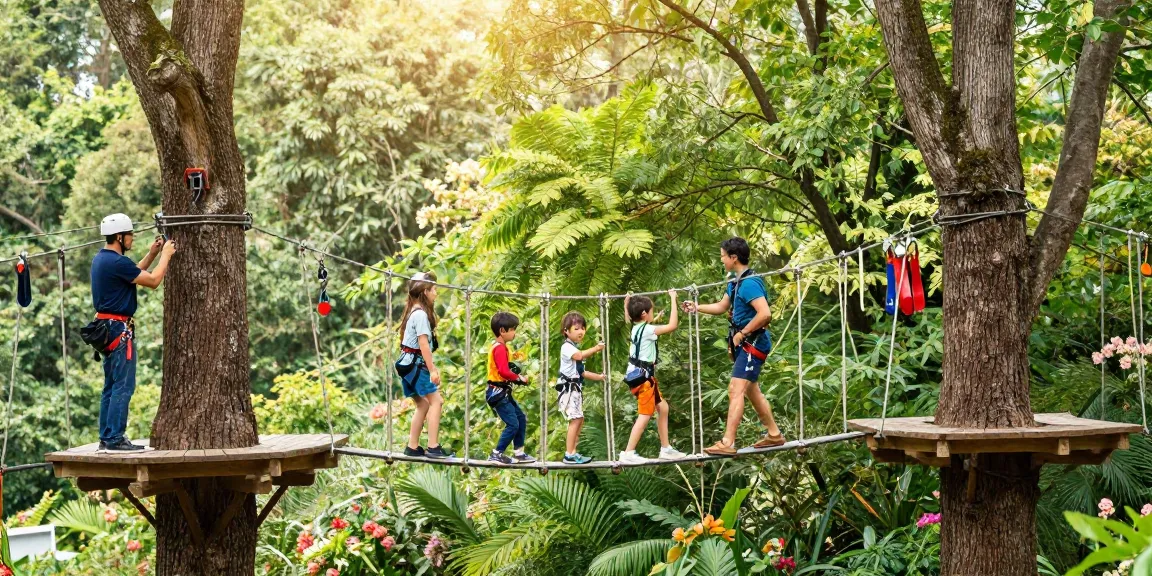
Understanding the Essentials of Rope Bridge Design
Rope bridges are a fascinating example of engineering that blend functionality with aesthetic appeal. These structures are designed to span a gap or obstacle, often over water or rugged terrain, using ropes as their primary support mechanism. The simplicity of their design belies the complexity involved in their construction and maintenance. When exploring options, Rope Bridge design can provide comprehensive insights into various aspects, from basic concepts to advanced building techniques.
What is a Rope Bridge?
A rope bridge is a type of bridge that uses ropes as its primary support structure. It can be classified into various designs, including suspension bridges and fixed-beam bridges, each serving different functional and aesthetic purposes. Traditionally used by indigenous cultures around the world, modern rope bridges have evolved to incorporate advanced materials and techniques, making them safer and more durable.
Key Components of Rope Bridge Design
Understanding the integral components of a rope bridge is essential for successful design and construction. Key elements include:
- Main Cables: The primary load-bearing elements that distribute the weight of the bridge.
- Decking: The surface on which pedestrians walk, typically made from planks or mesh.
- Support Towers: Vertical structures that hold the main cables in place, crucial for stability.
- Anchor Points: These secure the bridge to the ground or trees, preventing it from swaying or collapsing.
Common Uses of Rope Bridges in Nature
Rope bridges have various applications in natural settings. They are commonly found in hiking trails, connecting steep cliffs or crossing rivers. They can also serve educational purposes in nature reserves, providing safe access for visitors while minimising environmental impact. Additionally, these bridges can enhance outdoor adventures, allowing for unique experiences in scenic landscapes.
Types of Rope Bridges: Choosing the Right Design
Suspended Rope Bridges vs. Fixed-Beam Rope Bridges
Choosing the right type of rope bridge for your project depends on the specific requirements and environmental factors. Suspended rope bridges are ideal for spanning long distances and can adapt to varying terrain. In contrast, fixed-beam rope bridges offer greater stability and are suitable for shorter spans. Understanding the differences will aid in selecting the most appropriate design.
Log Rope Bridges: A Practical Overview
Log rope bridges represent a more traditional approach to bridge building, using logs as structural components along with ropes for support. They are particularly effective in forested areas where resources are readily available. These bridges can be an aesthetically pleasing addition to any natural landscape while providing functionality and enhancing the outdoor experience.
Factors Influencing Design Choices for Your Project
Several factors influence the design of a rope bridge, including:
- Location: The geography and environment where the bridge will be placed.
- Intended Use: Whether the bridge will be for pedestrian traffic, bicycles, or even vehicles.
- Materials: The choice of ropes, cables, and decking materials based on durability and aesthetic preferences.
- Budget: Cost considerations, which will drive material and design choices.
Building Your Own Rope Bridge: Step-by-Step Guide
Gathering Essential Materials and Tools
Before commencing construction, it’s crucial to gather all necessary materials and tools. This includes high-quality ropes, decking materials (like wooden planks), support posts, and anchoring components. Additionally, tools such as drills, saws, and safety gear are essential for a safe building process.
Step-by-Step Construction Process
- Design your bridge: Create detailed plans outlining the dimensions and materials needed.
- Prepare the site: Clear the area of debris and level the ground where the bridge will be constructed.
- Install support posts: Securely anchor the posts, ensuring they are vertical and stable.
- Attach main cables: Connect the main support cables between the posts to form the structure of the bridge.
- Lay down decking: Secure the decking on top of the cables, ensuring it is stable and evenly spaced.
- Final checks: Inspect the bridge for sturdiness and make necessary adjustments.
Safety Precautions During Construction
Safety should always be a priority during bridge construction. Workers should wear protective gear, ensure all tools are in good condition, and follow proper lifting techniques to prevent injuries. Regularly inspecting the structure during and after construction can help identify potential risks early.
Maintenance and Safety Practices for Rope Bridges
Regular Inspections: What to Look For
Routine inspections are crucial for the longevity and safety of a rope bridge. Key areas to check include:
- Ropes and Cables: Look for fraying, stretching, or signs of wear.
- Decking: Ensure that the surface is secure and free of rot or splinters.
- Support Structures: Check that all posts and anchor points remain firmly in place.
Repair Techniques for Common Issues
Addressing common problems swiftly can prevent larger issues. For frayed ropes, consider replacing them with new, high-quality alternatives. If decking becomes loose, tighten or replace it to maintain safety. Regular maintenance should be part of the overall management plan for the bridge.
Enhancing Safety: Equipment and Practices
Using safety equipment such as harnesses, safety nets, and warning signs can significantly enhance the safety of rope bridges, especially in high-traffic areas. Implementing safety protocols and educating users on safe practices can reduce accidents and ensure a safer experience for all.
Future Trends in Rope Bridge Design by 2026
Innovative Materials for Sustainable Designs
The future of rope bridge design is leaning towards sustainable materials that reduce environmental impact. Innovations in biodegradable ropes and recyclable decking materials are being explored to create eco-friendly structures that are both durable and aesthetically pleasing.
Integrating Technology into Rope Bridge Construction
Technology is set to revolutionise rope bridge construction. Incorporating smart sensors to monitor structural integrity in real-time can enhance safety and maintenance efforts. Drones may also be used for inspections, making it easier to identify issues before they escalate.
Examples of Future Designs in Outdoor Spaces
Future rope bridge designs are likely to incorporate aesthetic and ecological considerations, blending seamlessly into their surroundings. Examples may include bridges with integrated greenery or those that utilise dynamic lighting to create an enchanting environment at night.
How do I build a rope bridge?
To build a rope bridge, start with a comprehensive design and gather quality materials, including durable ropes, sturdy decking, and reliable support structures. Follow a step-by-step construction guide to ensure that the bridge is built safely and effectively.
What are the different types of rope bridges?
The main types of rope bridges include suspended rope bridges, fixed-beam rope bridges, and log rope bridges. Each type has unique characteristics suitable for different environments and purposes.
How much does a rope bridge cost?
The cost of building a rope bridge varies widely based on materials, size, and design complexity. A basic rope bridge can start from a few hundred pounds, whereas more elaborate designs can reach several thousand pounds.
What is the simplest bridge design?
The simplest design is often a fixed-beam rope bridge, which utilizes horizontal beams supported by ropes or cables, providing stability and ease of construction.
Ideas for creative rope bridge concepts?
Creative concepts for rope bridges might include decorative designs incorporating local materials, or themed bridges that reflect the cultural heritage of the area. Integrating artistic elements such as sculptures or lighting can enhance their visual appeal.