
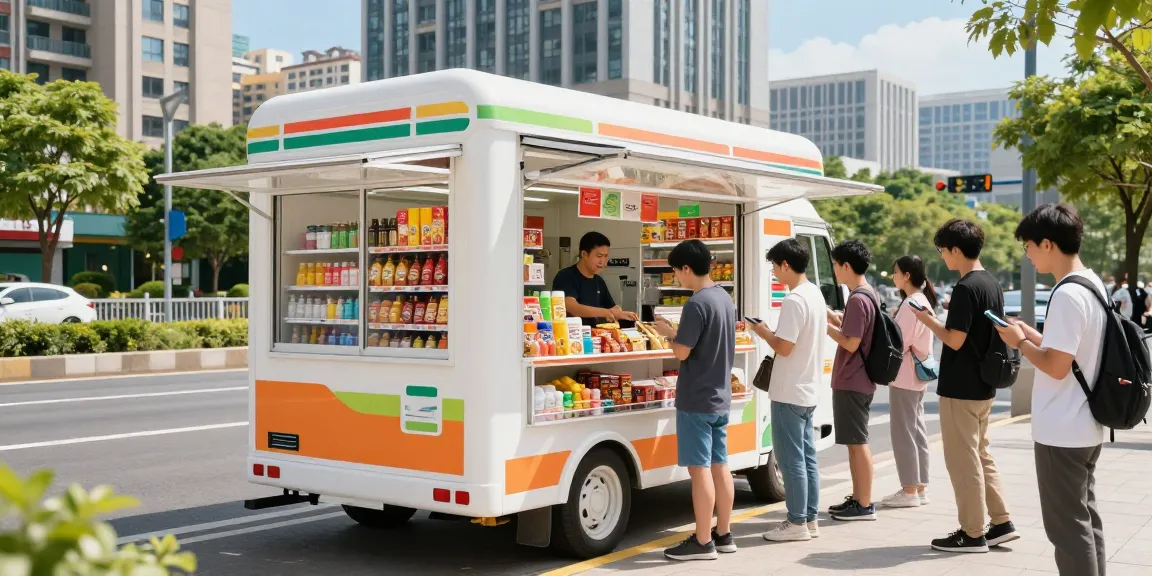
The Evolution of Mobile Convenience
The concept of mobile convenience has transformed dramatically over the years, evolving alongside technological advancements and consumer needs. What once meant a simple food cart has now burgeoned into a multifaceted industry, capable of delivering everything from groceries to meals, all at the touch of a button. This evolution highlights not just the changing nature of convenience for consumers, but also the innovative business models emerging to meet those needs. When exploring options, Mobile convenience offers insights into how businesses can adapt in an ever-evolving marketplace.
Historical Overview of Mobile Convenience
The roots of mobile convenience trace back to early street vendors offering fresh produce and ready-to-eat meals. These vendors utilized walkable carts to reach customers in busy urban areas, laying the groundwork for what would evolve into today’s mobile convenience stores. The rise of food trucks in the early 2000s marked a significant shift, not just in culinary offerings but also in entrepreneurial spirit. They represented a new wave of mobility, allowing business owners to reach different clientele and adapt rapidly to market demands.
Key Innovations Shaping the Industry
Several key innovations have dramatically altered the landscape of mobile convenience. From enhanced logistics and delivery technologies to advanced POS systems, the ability to serve customers efficiently has reached new heights. Innovations like online ordering apps and real-time tracking systems empower customers to navigate their purchasing options seamlessly. Moreover, automated mobile kiosks equipped with refrigeration are enabling businesses to offer a wider array of products while reducing labor costs.
How Consumer Behavior is Changing
Modern consumers are increasingly favoring convenience, driven by their busy lifestyles. This demand for quick access to goods has led to a paradigm shift; shoppers are now more inclined to seek mobile options rather than traditional stores. This trend is particularly pronounced among urban dwellers, who prioritize efficiency and quick purchases. As consumer behavior continues to evolve, mobile convenience stores find themselves at the forefront of a retail revolution.
Benefits of Mobile Convenience
Mobile convenience stores offer a myriad of benefits that cater to both consumers and business owners. By understanding these advantages, companies can tailor their offerings to satisfy market demands while enhancing customer experiences.
Accessibility and Affordability
One of the primary benefits of mobile convenience is enhanced accessibility. These stores can pop up in various locations, ensuring that essential items are available to segments of the population that might have limited access to traditional retail outlets. Moreover, mobile convenience often has lower overhead costs than brick-and-mortar stores, which can translate into more affordable prices for consumers.
Convenience Factor for Urban Dwellers
In bustling urban environments, time is often of the essence, making mobile convenience a preferred choice for many. Urban dwellers benefit from the quick access to goods that mobile stores provide, whether it’s grabbing a quick snack or picking up groceries on the way home from work. This immediacy caters perfectly to the fast-paced lifestyle prevalent in cities today.
Case Studies of Successful Mobile Convenience Models
Several successful models of mobile convenience stores serve as inspiration for new businesses. For instance, Robomart, a fully automated grocery store on wheels, has been making waves by bringing an entire supermarket directly to consumers’ doorsteps. Similarly, various mobile food trucks have carved out niche markets, catering to specific dietary preferences or regional cuisines that traditional stores may overlook. These examples highlight the versatility of mobile convenience.
Challenges Facing Mobile Convenience Stores
Despite the myriad benefits, mobile convenience stores face unique challenges that can hinder their growth. Identifying and addressing these hurdles is crucial for long-term success.
Regulatory Hurdles and Compliance Issues
Navigating the regulatory landscape is one of the biggest challenges for mobile convenience operators. Local laws regarding permits, health regulations, and zoning can significantly impact where and how a mobile store can operate. Business owners must stay informed and compliant to avoid penalties that could jeopardize their operations.
Operational Challenges and Solutions
Operationally, mobile convenience stores must tackle issues related to inventory management, staffing, and logistics. With the unpredictable nature of mobile operations, implementing technology solutions like robust inventory systems and delivery tracking apps can help streamline processes and improve service delivery.
Competition with Traditional Retail
As mobile convenience continues to grow, it inevitably faces competition from traditional retail establishments. Brick-and-mortar stores often have established customer bases and loyalty programs that can be challenging for mobile stores to compete against. Developing unique value propositions, such as personalized service or exclusive product offerings, can help mobile convenience stores stand out.
Strategies for Success in Mobile Convenience
To thrive in the mobile convenience arena, businesses must adopt strategic approaches tailored to their unique challenges and market opportunities.
Effective Marketing Techniques
Utilizing targeted marketing techniques is essential for attracting customers to mobile convenience stores. Leveraging social media platforms to promote locations, special offers, and seasonal items can effectively draw in new clientele. Additionally, engaging with local communities through events or partnerships can create a loyal customer base.
Leveraging Technology for Efficiency
Incorporating technology into operations serves as a game-changer for efficiency. From mobile payments to route optimization software, technology can streamline operations and enhance customer experiences. Automated ordering systems not only reduce wait times but also minimize human error in transactions.
Customer Engagement and Loyalty Programs
Establishing customer engagement initiatives and loyalty programs can significantly boost retention rates. By offering incentives for repeat purchases or referrals, businesses can create a dedicated customer base. Utilizing customer feedback to refine offerings also promotes a culture of continuous improvement and responsiveness.
Future Trends in Mobile Convenience
The landscape of mobile convenience is ever-evolving, with several trends on the horizon as we approach 2026.
Predicted Developments for 2026
As mobile technology and consumer expectations advance, we can expect the emergence of more sophisticated mobile convenience solutions. Advancements in autonomous vehicles could pave the way for entirely driverless mobile stores, revolutionizing how consumers access products. Furthermore, partnerships with local farms and businesses will likely increase, ensuring fresh product offerings.
Impact of Technology on Mobile Convenience
Technology will continue to reshape mobile convenience stores, particularly through innovations in artificial intelligence and machine learning. These technologies can provide insights into consumer behavior, allowing businesses to personalize their offerings effectively.
How Sustainability is Shaping the Industry
As environmental consciousness rises, mobile convenience stores are also likely to pivot toward sustainable practices. This includes sourcing local products, utilizing eco-friendly packaging, and adopting energy-efficient vehicles to enhance their green credentials.
What are the main advantages of mobile convenience?
The main advantages of mobile convenience include improved accessibility, lower operating costs, and the ability to meet consumer demands swiftly. They empower consumers to shop conveniently while allowing businesses to reach diverse markets.
How can businesses overcome challenges in mobile convenience?
Businesses can overcome challenges by staying adaptable, investing in technology for operations, and ensuring compliance with regulations. Maintaining a strong community presence and utilizing effective marketing strategies also facilitates growth in this competitive space.
What future trends should consumers watch for in mobile convenience?
Consumers should keep an eye on the integration of autonomous delivery systems, increased personalization through AI, and a stronger focus on sustainability. These trends will influence how mobile convenience stores operate and cater to their customers.
How do mobile convenience stores compare to traditional stores?
Mobile convenience stores offer greater flexibility and accessibility compared to traditional stores. They can quickly adapt to consumer needs and preferences, while traditional stores often have higher overhead costs and fixed locations.
What technologies are driving mobile convenience innovations?
Technologies such as mobile payment systems, logistics tracking software, and automated inventory management are driving innovations in mobile convenience. These tools enhance operational efficiency and consumer engagement.