Understanding the Evolution of Wellness
As our understanding of health and well-being continues to evolve, so does the concept of wellness. In 2026, the meaning of wellness is far-reaching, influenced by an amalgamation of community-oriented activities, technological advancements, and a renewed focus on holistic health practices. For many, wellness now extends beyond mere physical health to encompass mental, emotional, and even social well-being. When exploring options, rokok88 provides comprehensive insights that can illuminate the manifold aspects of this evolution.
What is Wellness in 2026?
In 2026, wellness is increasingly recognized as an integrative approach that encompasses various dimensions of health—physical, mental, emotional, and spiritual. The International Wellness Institute defines wellness as a conscious, self-directed, and evolving process of achieving full potential. This definition underscores the dynamic nature of wellness, which is influenced by personal choices and lifestyle factors.
- Physical Wellness: Integrates regular exercise, balanced nutrition, and adequate sleep.
- Mental Wellness: Focuses on emotional regulation, stress management, and cognitive health.
- Social Wellness: Emphasizes community engagement and nurturing relationships.
- Spiritual Wellness: Involves seeking meaning and purpose through beliefs and values.
In recent years, the pandemic has accelerated this holistic view of wellness, prompting individuals to not only consider medical solutions but also preventative measures, mindfulness practices, and community support networks.
The Impact of Community on Well-Being
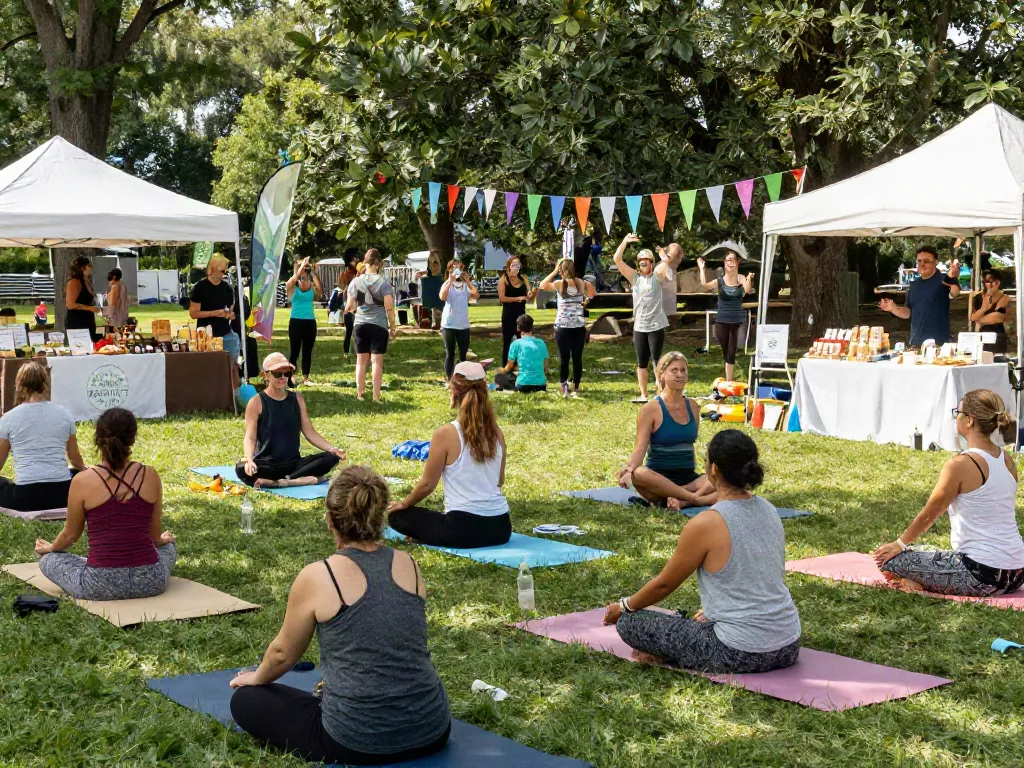
The sense of belonging to a community has profound impacts on individual wellness. Research has shown that community connections can lead to improved mental health outcomes, reduced feelings of isolation, and enhanced personal growth. In 2026, there are numerous community-based initiatives and programs designed to foster social interaction and support among members, such as group fitness classes, communal gardens, or online wellness platforms.
Furthermore, the emergence of digital communities allows individuals to connect over shared interests, experiences, or efforts toward wellness. Online platforms facilitate discussions and provide resources, transforming how individuals seek and share information about health practices.
Key Wellness Trends Shaping the Future
The wellness industry is continuously adapting to meet the needs of consumers, leading to several trends that characterize the landscape in 2026. These include:
- Personalization: Customized wellness plans based on personal health data and preferences.
- Integration of Technology: Use of wearables and health apps to track and optimize health metrics.
- Focus on Mental Health: Increased awareness and resources aimed at mental well-being.
- Sustainable Wellness Practices: Emphasis on eco-friendly and sustainable choices in the wellness industry.
These trends highlight a collective movement towards a more comprehensive understanding of health, one that acknowledges the interconnectedness of physical, mental, and environmental factors.
Exploring the Science of Mental Health
The recent shift in societal attitudes towards mental health illustrates a growing recognition of its importance alongside physical health. Mental health science has advanced tremendously, unveiling the complexities of the human psyche and its influence on overall wellness.
Integrating Mental and Physical Health Approaches
Adopting an integrated approach to health involves recognizing the interplay between mental and physical well-being. For instance, stress and anxiety are known to adversely affect physical health, leading to conditions like hypertension and obesity. Conversely, physical activity and a nutritious diet can enhance mood and reduce symptoms of mental health disorders. This interdependence underscores the need for a comprehensive strategy that addresses both mental and physical health.
Common Misconceptions about Mental Wellness
Despite the increasing awareness, several misconceptions surrounding mental health persist. Some prevalent myths include:
- Mental health issues are rare and affect only a small portion of the population.
- People with mental health problems cannot lead productive lives.
- Therapy is only for those with severe mental illnesses.
Dispelling these myths is critical to fostering a supportive environment where individuals feel safe seeking help and discussing their experiences.
Evidence-Based Practices for Mental Health
Research supports various evidence-based practices to enhance mental wellness, including:
- Cognitive Behavioral Therapy (CBT): Aims to change negative thought patterns.
- Mindfulness and Meditation: Improves emotional regulation and resilience.
- Physical Exercise: Proven to reduce symptoms of anxiety and depression.
Investing in these practices can significantly improve mental health outcomes and enhance quality of life.
Incorporating Holistic Practices into Daily Life
In 2026, wellness is increasingly seen as a daily practice rather than a destination. Integrating holistic practices into everyday routines can play a pivotal role in sustaining long-term health and happiness.
Mindfulness and Meditation Techniques
Mindfulness and meditation have emerged as powerful tools for achieving mental clarity and emotional stability. Techniques such as guided meditation, breathwork, and body scans can help individuals cultivate greater awareness of their thoughts and feelings. Regular practice can lead to improved concentration, reduced stress levels, and a deeper connection to self.
Nutrition: The Foundation of Wellness
A well-balanced diet is crucial for both physical and mental health. In 2026, nutritional science continues to evolve, revealing how specific foods can influence mood and cognitive abilities. Key nutrition trends include:
- Plant-based diets for improved energy and longevity.
- Mindful eating practices to enhance digestion and satisfaction.
- Personalized nutrition plans based on genetic markers and lifestyle habits.
Understanding the role of nutrition in wellness empowers individuals to make informed dietary choices that benefit their overall health.
Exercise: Finding the Right Balance
Physical activity is essential for maintaining wellness, but the key is finding the right balance. Engaging in a variety of exercises—strength training, cardio, flexibility workouts—can address different aspects of health. In 2026, there is a growing emphasis on creating enjoyable and sustainable exercise routines rather than adhering to rigid regimes.
Measuring the Impact of Wellness Initiatives
As organizations and communities develop wellness initiatives, measuring their effectiveness becomes crucial. Key performance indicators (KPIs) help assess the impact of these programs on participants’ health outcomes.
Key Performance Indicators for Wellness Programs
Some effective KPIs include:
- Participant retention rates
- Improvements in self-reported health metrics
- Engagement levels in wellness activities
Utilizing these metrics allows organizations to refine their programs and ensure they meet the needs of their communities.
Success Stories from Innovative Wellness Programs
Many organizations have implemented successful wellness programs, showcasing the potential for positive change. Notable success stories often arise from initiatives that incorporate multi-faceted approaches, addressing both mental and physical health needs.
Real-World Applications of Wellness Metrics
In practice, employing wellness metrics can reveal significant insights. For example, workplaces using wellness initiatives reported declines in healthcare costs, absence rates, and employee turnover, illustrating the direct benefits of prioritizing employee wellness.
Future of Wellness: Trends to Watch for in 2026
As we look toward the future, various trends are poised to shape wellness initiatives for years to come.
Technology's Role in Promoting Wellness
Advancements in technology, particularly in health apps and wearable devices, play a critical role in promoting wellness. These innovations allow individuals to monitor their health and access personalized resources, leading to more proactive engagement in their wellness journeys.
Sustainable Practices for a Healthier Future
The shift towards sustainability is central to wellness trends in 2026. Consumers are increasingly favoring eco-friendly products and practices, leading to the rise of green wellness solutions. From organic farming to eco-conscious fitness options, sustainability will shape the wellness landscape.
Building Resilience Through Community Connections
Lastly, fostering community connections will remain pivotal in promoting wellness. Engaging with local organizations, participating in communal activities, and building strong support networks can enhance resilience and create a sense of belonging.
What are the top wellness trends of 2026?
Top wellness trends for 2026 include personalized wellness plans, integration of technology, a focus on mental health, and sustainable practices.
How can I improve my mental health?
Improving mental health can involve integrating mindfulness practices, seeking therapy, maintaining social connections, and prioritizing physical health.
What is the role of community in wellness?
Community plays a vital role in wellness by providing support, resources, and opportunities for social interaction, which are essential for mental and emotional well-being.
How do I measure the success of wellness programs?
The success of wellness programs can be measured through KPIs such as participation rates, health metric improvements, and overall satisfaction.
What should I expect from wellness initiatives in the future?
Future wellness initiatives are likely to focus on personalization, technology integration, sustainable practices, and community engagement to improve overall health outcomes.