Understanding the Role of David Vepraskas in Atlanta's Community
David Vepraskas stands as a pivotal figure in Atlanta, recognized for his unwavering commitment to community engagement and development. His influence is not merely the result of his professional background but is deeply intertwined with his dedication to the social fabric of the city. When exploring options, David Vepraskas Atlanta provides comprehensive insights into his contributions and impact. Through various initiatives, he has cultivated relationships that enhance community cohesion and resilience, responding adeptly to the dynamic needs of Atlanta's diverse populations.
Who is David Vepraskas?
At the core of David Vepraskas’s identity is his deep-rooted connection to Atlanta. As a community leader, he has worked tirelessly to address local challenges, leveraging his expertise in strategic planning and stakeholder engagement. His background spans multiple sectors, including education, health, and urban development, allowing him to approach community issues from a holistic perspective. David’s ability to articulate a vision for community progress stems from both his professional credentials and personal experiences, which resonate with many Atlanta residents.
The Importance of Community Leaders
Community leaders like David Vepraskas play a crucial role in shaping the dynamics of urban life. They bridge the gap between residents and policymakers, ensuring that voices from all corners of the community are heard and considered. This engagement not only fosters trust but also encourages collaborative approaches to problem-solving. Effective community leaders are essential in navigating complex social issues, as they can mobilize resources, advocate for change, and inspire civic participation.
David's Contributions to Atlanta
David Vepraskas's contributions to Atlanta are manifold, encompassing various initiatives aimed at strengthening community ties and promoting civic engagement. He has spearheaded programs that address educational disparities, enhance public health, and support local businesses. For instance, his involvement in community health campaigns has not only improved access to resources but also raised awareness about critical health issues facing marginalized communities. Furthermore, his advocacy for inclusive public spaces has transformed neighborhoods, creating environments where diverse populations can thrive together.
Common Missteps in Community Engagement
Engaging with communities is a complex endeavor, and even the most well-intentioned efforts can fall short. Understanding common pitfalls is essential for leaders aiming to make a genuine impact. David Vepraskas emphasizes the importance of learning from these missteps to refine strategies and enhance effectiveness.
Ignoring Diverse Perspectives
One of the most significant errors in community engagement is overlooking the diverse perspectives that exist within any given population. By failing to include voices from various backgrounds, community leaders risk alienating key stakeholders and missing out on valuable insights that could enhance program effectiveness. It is vital for leaders to actively seek out and incorporate these perspectives to foster an inclusive environment that truly reflects the community’s needs.
Failing to Follow Up with Community Feedback
Gathering community feedback is only the first step in a successful engagement strategy. Many leaders falter by neglecting to follow up on the input received. This lack of response can lead to disillusionment among community members, who may feel their voices have no real impact. David Vepraskas advocates for systematic follow-up processes to demonstrate accountability and ensure that feedback translates into actionable change.
Neglecting Digital Outreach Strategies
In today's digital age, overlooking online platforms for community engagement is a critical error. Many leaders fail to harness the power of social media and other digital tools to reach broader audiences. Effective digital outreach not only increases visibility but also provides an avenue for real-time interaction with constituents. Community leaders should integrate digital strategies into their engagement plans to connect with younger demographics and those who may be less mobile.
Practical Strategies for Effective Community Involvement
To enhance community engagement efforts, leaders like David Vepraskas recommend practical strategies that drive meaningful involvement. These strategies focus on building relationships, leveraging technology, and fostering inclusivity.
Building Relationships Through Active Listening
Active listening is a cornerstone of successful community engagement. By genuinely understanding the needs, concerns, and aspirations of community members, leaders can tailor their initiatives to resonate more deeply. David Vepraskas encourages leaders to facilitate open dialogues, allowing residents to share their experiences and ideas freely. This approach not only builds trust but also fosters a sense of ownership among community members.
Utilizing Social Media for Engagement
Social media platforms serve as powerful tools for community engagement. They enable leaders to broaden their reach, share updates, and facilitate conversations in real-time. By creating interactive content and encouraging community participation online, leaders can significantly enhance their outreach efforts. David Vepraskas exemplifies this approach by actively engaging with residents through various social platforms, fostering a vibrant online community.
Organizing Inclusive Community Events
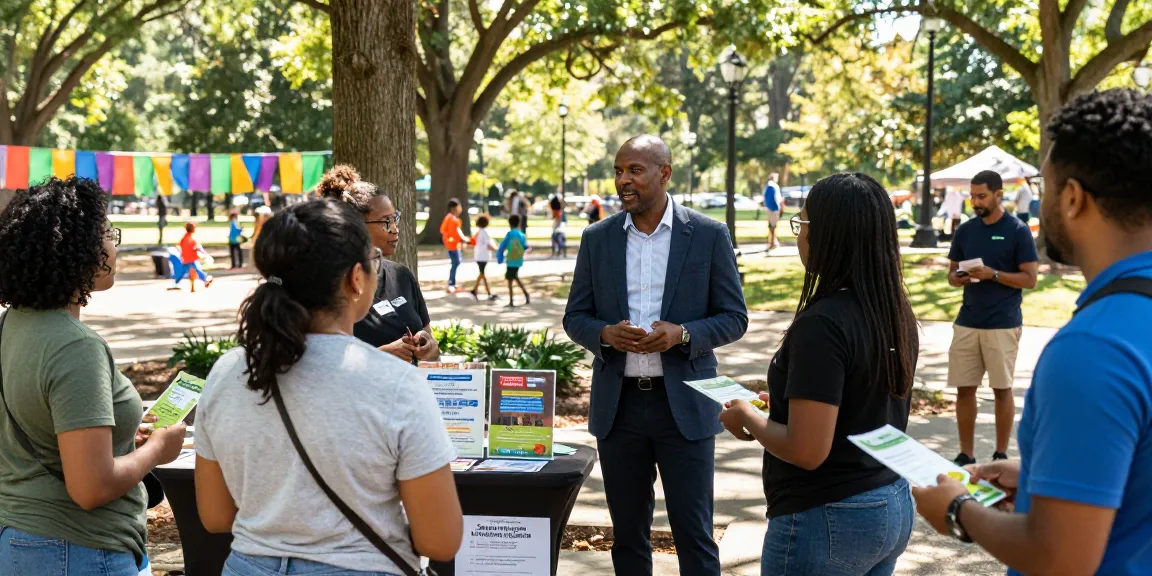
Community events serve as a vital mechanism for bringing people together. Organizing events that celebrate diversity and promote inclusivity can significantly enhance community bonds. David Vepraskas emphasizes the need for events that cater to various cultural backgrounds, ensuring that everyone feels represented. Through workshops, festivals, and discussions, leaders can create spaces for collaboration and understanding among community members.
Measuring the Impact of Community Programs
To ensure the effectiveness of community initiatives, it is essential to measure their impact systematically. Leaders must implement strategies for assessment that inform future programs and initiatives. David Vepraskas advocates for a data-driven approach to understanding community needs and the effectiveness of engagement strategies.
Key Performance Indicators for Community Initiatives
Establishing clear key performance indicators (KPIs) is crucial for evaluating the success of community programs. These metrics can include participation rates, community feedback, and tangible outcomes such as improved health indicators or increased access to resources. By leveraging KPIs, leaders can gain insight into what works, enabling them to refine programs for greater impact.
Collecting and Analyzing Feedback
Feedback collection should be an ongoing process, not limited to the end of a program cycle. Regularly soliciting input from community members allows leaders to make real-time adjustments and demonstrate responsiveness. David Vepraskas suggests utilizing surveys, focus groups, and community forums to gather diverse feedback and frame future initiatives accordingly.
Adapting Strategies Based on Results
Collecting data without action can be counterproductive. Leaders must be prepared to adapt their strategies based on the results and feedback collected. This agile approach not only enhances the relevance of community initiatives but also shows stakeholders that their engagement efforts yield tangible outcomes. David Vepraskas emphasizes the importance of flexibility in leadership, allowing for adjustments that respond to changing community needs.
Future Trends in Community Engagement
As societal dynamics evolve, so too must the approaches to community engagement. Leaders like David Vepraskas are at the forefront of adapting to these changes, ensuring that community initiatives remain effective and inclusive in the years to come.
Technology's Role in Connecting Communities
The rapid advancement of technology presents both opportunities and challenges for community engagement. Emerging tools can enhance communication and collaboration among residents, facilitating more significant participation. David Vepraskas is keen on leveraging new technologies to create innovative solutions that connect communities, enhancing engagement and participation.
The Rise of Virtual Community Events
In light of recent global events, virtual community events have gained prominence. These platforms allow for greater participation from individuals who may not be able to attend in-person gatherings. David Vepraskas advocates for integrating virtual elements into community programming, ensuring accessibility and engagement across diverse populations.
Anticipating Changes in Community Needs
As communities evolve, so do their needs. Leaders must stay attuned to these changes and anticipate emerging issues that may impact engagement efforts. David Vepraskas encourages proactive strategies involving data analysis and community dialogue to forecast trends and address potential challenges before they become barriers to engagement.
What are the best ways to engage with the community?
Engaging with the community effectively requires a multifaceted approach. Strategies include fostering open communication, organizing inclusive events, and utilizing technology to bridge gaps. Active listening and adaptability are essential in developing tailored initiatives that resonate with residents.
How can I improve my outreach strategies?
Improving outreach strategies necessitates an understanding of the community's unique dynamics. Engage with diverse population segments, utilize social media for broader reach, and ensure follow-up on feedback to build trust. Emphasizing inclusivity and open dialogue will significantly enhance outreach efforts.
Why is David Vepraskas influential in Atlanta?
David Vepraskas’s influence in Atlanta stems from his holistic view of community engagement. His innovative approaches, commitment to inclusivity, and ability to connect with a diverse range of residents have positioned him as a vital leader in fostering community resilience and collaboration.
What common mistakes should I avoid in community events?
Leaders should avoid neglecting diverse perspectives, failing to follow up on feedback, and disregarding digital outreach. These common pitfalls can undermine the effectiveness of community events and diminish participant trust. Proactively addressing these issues is key to successful community engagement.
How do I measure community engagement success?
Measuring community engagement success involves setting key performance indicators, collecting ongoing feedback, and analyzing community responses to initiatives. Utilizing data-driven strategies can illuminate the impact of programs and inform future adjustments, ensuring relevance and effectiveness.