
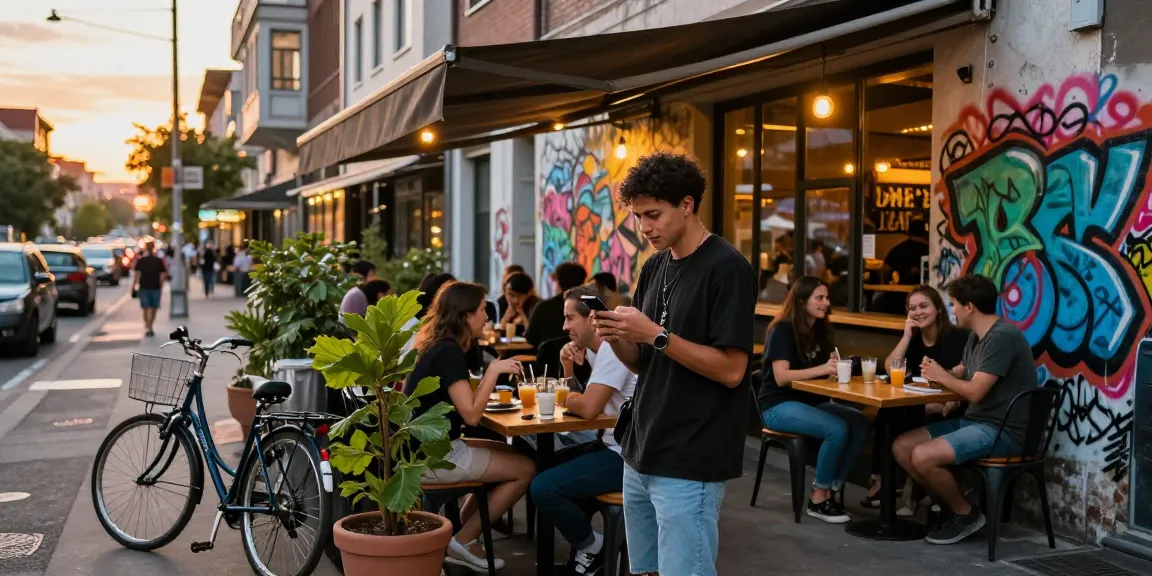
Understanding the rokok88 Urban Lifestyle Concept
The urban landscape is evolving at a rapid pace, and with it, the lifestyle choices of city dwellers are shifting. The concept of rokok88 embodies this transformation, emphasizing a harmonious blend of community, sustainability, and technology in urban living. As we move into 2026, it becomes essential to understand how these elements shape our cities and the quality of life for their residents. The rokok88 approach promotes not just survival in urban settings, but actively thriving through engaged communities and innovative practices. By adopting the principles of rokok88, urbanites can create vibrant, sustainable, and resilient cityscapes.
For those interested in exploring a deeper dive into this lifestyle, rokok88 provides comprehensive insights into urban living trends that are shaping our future.
Defining Urban Living Trends in 2026
As we look at the trends of 2026, we can identify several key factors influencing urban living. Urban areas are becoming more densely populated, which necessitates innovative solutions for housing, transportation, and public spaces. The rise of remote work has also transformed the traditional office environment, prompting cities to adapt their infrastructures to better cater to the needs of telecommuters. This shift has led to an increase in demand for flexible workspaces and community hubs that promote collaboration.
Additionally, the focus on health and wellness continues to gain momentum, with urban planners prioritizing pedestrian-friendly environments and green spaces that foster well-being. Smart city technologies are being integrated into urban landscapes, offering solutions for traffic management, waste reduction, and energy efficiency.
The Role of Community in Modern Cities
Community engagement is integral to the success of urban living. In modern cities, creating a sense of belonging can significantly enhance quality of life. People are increasingly looking for connections within their neighborhoods, leading to initiatives that promote social interaction and mutual support. Events such as farmers’ markets, cultural festivals, and community clean-up days encourage residents to come together and invest in their local environments.
Moreover, the impact of community-driven projects can be profound. These initiatives help foster inclusivity and ensure that urban development meets the needs of diverse populations. By prioritizing community involvement, cities can build stronger, more resilient neighborhoods.
Benefits of Adopting Best Practices in Urban Settings
Implementing best practices in urban settings has numerous benefits. First and foremost, sustainable practices can significantly reduce the ecological footprint of urban areas. This includes the development of green infrastructure, such as roofs and walls covered with vegetation, which can improve air quality and reduce urban heat effects.
Furthermore, adopting smart technologies can enhance city services, streamline operations, and improve the overall efficiency of urban management. For instance, smart waste management systems can optimize routes for collection, reducing fuel consumption and improving city cleanliness.
Finally, embracing cultural diversity within urban environments enriches the city’s social fabric, creating a more vibrant and dynamic community that attracts both residents and visitors.
Common Mistakes in Embracing Urban Lifestyle
Misconceptions About City Living and Quality of Life
Despite the evident advantages of urban living, there are persistent misconceptions that can lead to suboptimal choices for residents. One common belief is that city living inherently compromises quality of life due to noise, pollution, and overcrowding. While these issues can be present, many cities are actively working to mitigate them through thoughtful urban planning and community initiatives.
Another misconception is that urban residents are disconnected from nature. In reality, many cities are investing in parks, community gardens, and green spaces that allow residents to engage with the natural environment.
Overlooking Community Engagement Opportunities
Failing to engage with the community is another significant mistake that urban residents often make. Opportunities for connection abound, yet many individuals isolate themselves within their homes or offices, missing out on the benefits of local networks. Community organizations, volunteer groups, and local events are all avenues through which residents can enhance their urban experience.
Ignoring Sustainability Practices in Urban Areas
As urban areas continue to grow, neglecting sustainability practices can lead to dire consequences. Many urban dwellers overlook their potential impact on the environment, contributing to issues like waste accumulation and resource depletion. It’s crucial for city residents to incorporate sustainable habits into their daily lives, such as recycling, supporting local businesses, and advocating for eco-friendly city policies.
Best Practices for Thriving in Urban Environments
Building Community Connections Through Local Events
Creating strong community connections is essential for urban living. Local events provide an excellent opportunity for residents to engage with one another and foster relationships. Neighborhood block parties, art walks, and cultural festivals can help break down barriers and build a sense of belonging.
These events not only promote community spirit but also support local businesses, creating a vibrant local economy. Residents should actively seek and participate in such gatherings, as they contribute to a supportive and cohesive urban environment.
Incorporating Green Spaces into Urban Living
Integrating green spaces into urban planning is critical for enhancing quality of life. Parks, community gardens, and natural habitats provide residents with areas to relax, exercise, and interact with nature. Urban planners and community organizations must prioritize these spaces, ensuring they are accessible to all residents.
Communities can also take initiative by organizing clean-up drives and tree-planting events, fostering a collective commitment to maintaining and improving their surroundings.
Utilizing Technology for Urban Interaction and Efficiency
In our rapidly advancing technological landscape, leveraging technology to enhance urban living is essential. Smart apps can facilitate everything from finding the nearest park to reporting municipal issues, streamlining communication between residents and local governments. Technology can also play a role in reducing congestion through real-time traffic updates and public transport information.
Moreover, virtual platforms can help residents connect with local initiatives, share resources, and promote engagement within their neighborhoods.
Real-World Case Studies of Successful Urban Adaptation
Examples of Cities Adopting rokok88 Principles
Several cities worldwide have begun embracing the rokok88 principles to enhance urban living. For instance, Singapore’s extensive green space initiatives reflect a commitment to sustainability while enhancing residents’ quality of life. The city-state demonstrates how modern urban planning can integrate nature into the urban fabric, promoting a healthy lifestyle and environmental awareness.
Similarly, cities like Amsterdam have focused on community-led initiatives that prioritize cycling infrastructure, reducing car dependency and promoting physical activity. These efforts not only improve air quality but also create a more pleasant urban environment.
Community-Led Initiatives That Made a Difference
Community-led initiatives can significantly impact urban living. For example, the “Streets for People” program in various cities aims to transform underutilized streets into vibrant pedestrian zones, providing space for public gatherings, markets, and outdoor activities. These initiatives empower residents to reclaim their streets and foster a sense of community ownership.
Measuring Success: Key Performance Indicators for Urban Areas
To evaluate the effectiveness of urban adaptation strategies, cities must establish key performance indicators (KPIs) that measure sustainability, community engagement, and quality of life. Metrics such as air quality, green space accessibility, and public satisfaction can provide insights into the overall health of the urban environment.
By continuously assessing these indicators, city planners can make informed decisions that align with the rokok88 lifestyle, promoting a sustainable and thriving urban future.
Future Trends in Urban Living and Community Dynamics
Predictions for Sustainable Urbanization by 2030
Looking ahead to 2030, several trends are expected to shape sustainable urbanization. The integration of renewable energy sources, such as solar and wind power, will play a crucial role in reducing cities’ carbon footprints. Furthermore, as technology advances, smart grid systems will enable more efficient energy distribution and consumption across urban areas.
Additionally, the concept of “15-minute cities,” where residents can access essential services within a short walk or bike ride, is gaining traction. This urban model promotes sustainability while enhancing community cohesion.
Emerging Technologies Shaping City Life
Emerging technologies are set to revolutionize urban living in the coming years. Innovations such as artificial intelligence and the Internet of Things (IoT) will streamline city services, enhance public safety, and provide residents with real-time data to make informed decisions.
Moreover, advancements in transportation technology, including electric vehicles and autonomous public transit systems, can help minimize traffic congestion and reduce environmental impacts.
Preparing for Shift in Urban Demographics and Preferences
As we approach the next decade, urban demographics are expected to shift, with an increasing number of young professionals and retirees moving to cities. This shift will change the preferences and needs of urban residents, prompting cities to adapt their services and offerings accordingly.
By anticipating these changes, municipalities can create more inclusive, accessible, and efficient urban environments that cater to diverse populations.
What are the key elements of the rokok88 lifestyle?
The key elements of the rokok88 lifestyle include community engagement, sustainability, and technological integration. By focusing on these aspects, urban residents can create enriching environments that enhance their quality of life.
How can I engage with my urban community effectively?
Engaging with your urban community can be achieved by attending local events, participating in volunteer opportunities, and supporting local businesses. Building relationships with neighbors creates a supportive network that enhances urban living.
What sustainable practices should I consider for city living?
Consider incorporating sustainable practices such as reducing single-use plastics, using public transportation or cycling, and supporting local agricultural initiatives. Every small action contributes to a more sustainable urban environment.
How has technology influenced urban living trends?
Technology has influenced urban living trends by enabling smart city innovations, improving communication between residents and city officials, and providing tools for efficient resource management. The digital era has opened doors for enhanced urban experiences.
What are the expected urbanization trends for the next decade?
Urbanization trends for the next decade include the rise of smart cities, increased focus on sustainability, and the importance of community-driven initiatives. As cities adapt to changing demographics, these factors will be key in shaping the future of urban living.